
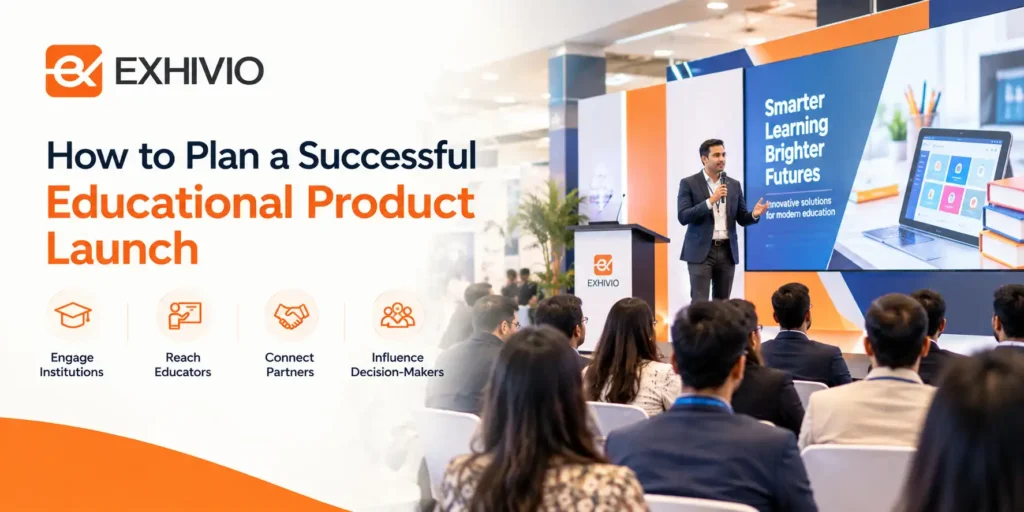
Launching an educational product requires more than introducing its features. Whether the product is an EdTech platform, textbook, learning application, classroom solution or institutional service, the audience must understand how it improves education.
A successful educational product launch combines a clear message, relevant audience, interactive demonstration and professional event execution.
Identify the Right Audience
The first step is determining who needs to experience the product.
An educational product may be intended for school leaders, university representatives, teachers, students, education consultants, distributors or institutional procurement teams. Each group evaluates a product differently.
Teachers may focus on usability and learning outcomes, while institutional leaders may examine implementation, scalability, support and cost. A focused launch should be designed around the priorities of its most important decision-makers.
Communicate the Problem Before the Features
Many launches immediately begin listing product features. However, audiences first need to understand the problem being addressed.
The presentation should explain the existing educational challenge, its impact and why current solutions may be insufficient. The product can then be positioned as a practical response.
A clear product story makes the launch easier to understand and more memorable.
Let the Audience Experience the Product
Educational products are often easier to understand through demonstrations than presentations.
Interactive experience zones can allow visitors to test software, explore learning materials, view classroom technology or understand how the solution works in a real educational environment.
Live demonstrations also give potential users the opportunity to ask questions and provide immediate feedback. This creates stronger engagement than a one-way stage presentation.
Combine Physical and Digital Reach
A physical launch creates personal interaction, while digital content extends the life of the event.
Live streaming, recorded demonstrations, interviews, short videos and social-media content can help the product reach audiences beyond the venue. The launch environment should therefore be visually designed for both in-person visitors and digital viewers.
Media-ready presentation areas and demonstration zones can also help generate reusable content for future marketing campaigns.
Plan the Follow-Up Before the Event
The product launch should connect with a clear follow-up process. Attendees may request demonstrations, pricing information, pilot programmes or partnership discussions.
Registration data, meeting requests and enquiries must be organised so that the sales or partnership team can respond quickly after the event.
The success of the launch should be measured through relevant outcomes such as qualified enquiries, demonstration requests, partnership discussions and audience engagement.
Exhivio plans and executes educational product launches for EdTech companies, publishers, institutions and learning brands.
From creative strategy and launch production to demonstrations, media integration and audience engagement, Exhivio helps educational products reach the people who matter.